

When most people picture moving to France for work, they picture Paris. Paris is a strong option, but it is one part of the picture, and the postcard version of French life leaves out what shapes your day once you arrive: how long lunch lasts, how colleagues talk to each other, and what happens to your inbox in August.
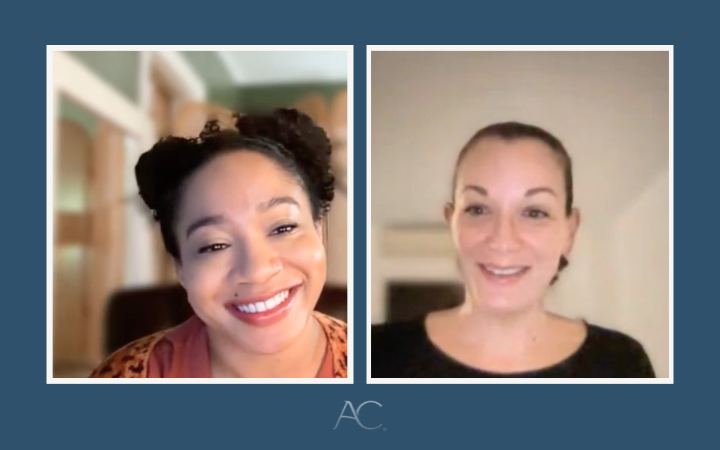
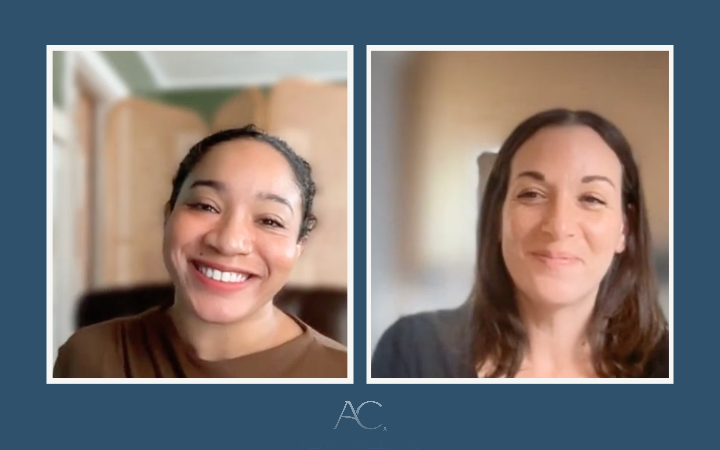
In this episode of Allora Collective’s 2026 video series, founder Kelly Kugler sits down with Rachel Meda, Allora’s Relocation & Culture Specialist for the UK and France. Rachel is French and based near Paris. She has lived and worked in London, Hong Kong and Bangkok, mostly in recruiting and talent acquisition, supporting candidates through their relocations and relocating herself along the way. Kelly brings 20 years in recruitment, talent and mobility across the US and EMEA, with moves from New York to California, Seattle and the Netherlands.
This conversation updates Rachel’s earlier France blogs and adds her voice and lived experience. It covers five areas: French cities to consider beyond Paris, what a normal workday looks like, how French colleagues talk to each other, how vacation works, and how pay and benefits fit together.
A note before we start: Allora is not an immigration law firm, and neither Kelly nor Rachel is an immigration attorney. This conversation covers culture and lived experience, not legal advice. For the legal side of a move, Allora introduces clients to the legal experts, some of whom are listed on our Recommended Resources page, and Rachel’s France work visa guide is a useful first read. Where Rachel’s points touch French law, we have linked the official French government pages (in French) so you can check the details yourself.
Beyond Paris: Four French Cities to Consider (3:38)
Rachel’s starting point: the right city depends on the industry you work in and the lifestyle you want, and both matter when you relocate. She highlighted four cities to keep on your radar alongside Paris.
- Lyon (4:00). A hub for biotech, pharma and life sciences, with a tech and startup incubator scene as well. Rachel calls Lyon the capital of French gastronomy, since many French chefs come from there, and notes it sits roughly a two-hour train ride from Paris.
- Toulouse. In southwest France, closer to Barcelona than to Paris by Rachel’s description. Airbus is based there, the city is engineering-heavy, and the surrounding area has many universities and research institutes.
- Bordeaux. Known for wine and tourism. Rachel also points to newer businesses taking root there, such as food tech startups and companies exploring alcohol-free wine and spirits. It is a smaller city with a more relaxed pace and an urban polish.
- Nice (7:01). Larger than Bordeaux, with tourism and a growing tech sector. Rachel highlights several daily flights to Paris, direct connections across Europe and beyond, a multicultural feel and easy access to the rest of the south of France.
Rachel chose these four because each pairs real work opportunities with a good work-life balance. For job boards and more detail on each city, read Rachel’s guide to the best cities and job boards for your job search in France.
What a Normal Workday in France Looks Like (8:40)
- Meetings stay short and focused (9:06). Rachel explains that French teams keep meetings as efficient and productive as possible. In her view, France and Germany sit side by side as Europe’s most productive countries per hour worked, and that focus on output supports a healthy work-life balance.
- Lunch is a real break (9:06). Lunch usually lasts an hour, sometimes an hour and a half, taken in a company canteen or out with colleagues. Some people take a walk or run a few errands. Kelly summed it up at 11:25 – this is not a rushed ten minutes between meetings. You take the hour because you are human, and it is part of the workday.
- Breaks shape the daily rhythm (11:40). Rachel describes a quick coffee with colleagues when you arrive, a short mid-morning break, then lunch and another short break mid-afternoon. These last ten to fifteen minutes, not thirty, and they double as time to chat with colleagues.
Can you eat lunch at your desk in France? Generally, no. Rachel explains that eating at your desk is restricted under French labor law, and that companies over 50 employees need a designated break room. The official rule is broader: the French Labor Code bars employers from letting workers eat their meals in the areas used for work (Article R4228-19). The 50-employee threshold decides which workplaces must provide a dedicated dining room, and smaller workplaces can set up an eating area inside work premises after declaring it to the labor inspectorate, as long as no hazardous substances are used or stored there (DREETS). Rachel adds that health, safety and hygiene drive the rule, but people also simply enjoy the time.
Kelly connected this to coaching at 13:09. After more than six years working for herself, she has seen that people get more done when they give themselves space to refresh. When Allora clients build their job search schedule, Kelly encourages them to plan breaks in, because work goes better when your energy is up than when you are dragging.
How the French Actually Talk to Each Other (14:59)
Kelly set up the contrast: in the US, conversation often starts with where you work and who you know, which can feel like networking. In the UK, small talk about the weather keeps things light and away from personal topics. Rachel explained how France differs.
- Real conversation over small talk. In France, weather talk comes across as boring because it goes nowhere. People want to learn about you and what you think about a topic, though some colleagues still keep their private lives private.
- Opinions and disagreement are normal (16:02). When Kelly asked whether that includes politics, Rachel said it does happen. Sharing your point of view and disagreeing is fine. The goal is a real conversation, not an argument or an attempt to convince anyone.
- Directness over the feedback sandwich (16:04). Rachel contrasts the American habit of wrapping criticism between two positives with the French approach: if you disagree, say so, and explain why and what you would do instead. Heavily softened feedback can come across as insincere, even hypocritical. As Kelly put it, it is not personal; you take it and move on.
- Titles and seniority matter (18:24). With someone at C-level, Rachel says you would most likely use “monsieur” or “madame” and the formal “vous,” and wait for them to invite you to use a first name. Company size and culture change this, but Rachel’s advice is to err on the side of caution.
- Everyday politeness (20:26). Kelly’s habit in France is to walk in, say “bonjour,” wait her turn and then ask for what she needs. Leading with what is culturally respectful in each country you visit or move to is very important. Rachel adds that you use “vous” with anyone you don’t know, whether at the doctor, a restaurant or even your local boulangerie, and a waiter will likely address you as “monsieur” or “madame.” It is a form of respect.
- Presentation (22:12). Kelly brought up that in some countries you would not head out for coffee in yoga pants. Rachel says you don’t need to look elegant in every situation, and she has seen yoga pants in casual settings, but there is still an expectation that you look presentable when you go out, even to the market. She noticed the difference after living in London.
What does “vous” mean? “Vous” is the formal way to say “you” in French. Use it with people you don’t know, with senior colleagues and in shops and restaurants until someone invites you to switch to the informal “tu.” For more on this, read Rachel’s post on navigating work culture between the US and France.
Vacation in France: Five Weeks and a Real Disconnect (24:00)
Kelly remembers having ten vacation days when she worked for US companies in New York and Los Angeles and barely using them. When she joined Booking.com, an Amsterdam-based company, she started with ~23 days and had to ask a friend what to do with them. The answer: plan ahead and book it.
- Five weeks, with a large block in summer (25:11). Rachel says French employees get around five weeks of paid vacation, and two to three weeks off in summer is common. Two weeks is the minimum she typically sees, often tied to school holidays running from early July through August.
- Disconnecting is expected. People set an out-of-office with their return date and don’t reply to email, though some step in for urgent issues.
- August slows down. Many businesses close or slow down for parts of August, Paris included. Some cafes and restaurants close, and your usual doctor may be away. Tourist areas such as Nice stay open, and people there take their time off before or after the season. Christmas, Easter and the February or March ski weeks are other popular times off.
How much paid vacation do you get in France? Employees in France earn 2.5 working days of paid vacation per month worked, which adds up to 30 working days a year, or five weeks (economie.gouv.fr). Many people take two to three of those weeks in summer.
What this means for your follow-ups (27:48). Kelly’s advice applies to anyone job searching in France or speaking with immigration attorneys about a move. The person you are waiting on may be away for two full weeks, not a long weekend, and silence is normal. In summer and around holiday blocks, push your follow-ups out beyond your usual timing. The same logic applies in the US around Memorial Day and Labor Day. As Kelly put it, you build your patience to match realistic expectations.
Pay in France: Look at the Whole Package (29:32)
Kelly points out that US salaries can look higher in certain cities, but expenses rise with them: groceries, personal services, rent, utilities, a car and insurance, and health insurance. In countries like France, taxes fund social services that change the math. Rachel explains that pay includes the base salary plus several other pieces, which vary by employer, company size and any labor agreements or works councils in place.
- 13th month salary (31:00). Rachel says you could very likely receive one, meaning your December pay comes twice. Kelly notes the Netherlands had this too when she lived there. It is common but not universal, so check your offer.
- Meal vouchers (31:33). Depending on the labor agreement, Rachel says vouchers start at around €8 and cover lunch, including subsidized canteens where a full three-course meal costs about the value of a voucher. She adds that they can also be used at supermarkets, a change she recalls being introduced around COVID.
- Commuting subsidies (32:48). Rachel says employers pay at least 50% of a public transit pass, and some pay up to 80%. The 50% share is a legal requirement for all employers (Service Public).
- Healthcare, retirement and more. Rachel lists universal healthcare (with optional added coverage), pension and retirement plans, and unemployment benefits.).
- Parental leave. Rachel describes around 16 weeks for mothers and 25 consecutive days for fathers, and notes the rules changed recently. Official sources confirm maternity leave for an employee is typically 16 weeks, six before the birth and ten after, with longer leave from a third child or for multiple births (Assurance Maladie). Paternity leave is 25 calendar days, and since July 2026 a new supplementary birth leave adds further paid time https://www.service-public.gouv.fr/.
Rachel’s bottom line (34:28): the base salary may be lower, but much of what Americans budget for separately is part of the total package. For the full breakdown, read Rachel’s post on employee benefits in France.
What is a 13th month salary? A 13th month salary is an extra month of pay, usually paid in December, set by your employment contract or labor agreement.
What are meal vouchers? Meal vouchers (“titres-restaurant,” often called “tickets restaurant”) are employer-subsidized vouchers employees use to pay for lunch.
The Right to Disconnect and Questions to Ask Before You Move (35:03)
Kelly asked whether France still has the law about after-hours email. Rachel’s answer: it isn’t really enforced as such. She hasn’t heard of cases where someone had to justify not answering an email, and practice depends more on industry and company culture.
What is the right to disconnect in France? The right to disconnect (“droit à la déconnexion”) is an employee’s right not to be contacted or expected to work outside working hours. Since 2017, companies with union representation must cover it in their annual workplace negotiation, and without an agreement the employer writes a charter after consulting the works council (Ministry of Labor). It sets a framework employers put in place; it is not a blanket ban on after-hours email.
Rachel closed with the point that matters most for anyone planning a move (36:00): company culture varies, so ask. How are decisions made? What is expected of you during the workday, and beyond working hours if needed? Helping clients work out the right questions is part of how Allora supports relocation, especially for a move to a country you don’t know well. As Kelly said at 36:44, relocating is a challenge in every way, and both she and Rachel have done it more than once. In their experience, it is worth it.
Key Takeaways
- Look beyond Paris: Lyon, Toulouse, Bordeaux and Nice each pair strong industries with a good work-life balance.
- Lunch is a real break of an hour or more, and French labor law restricts eating in work areas.
- French colleagues value real conversation, opinions and direct feedback over small talk.
- Use “vous,” “monsieur” and “madame” with senior colleagues and anyone you don’t know.
- Expect about five weeks of paid vacation, full disconnects and a slow August, and space out your follow-ups to match.
- Compare total packages, not base salaries: 13th month pay, meal vouchers, transit subsidies and social benefits add up.
- Ask how a company works before you accept: decision-making, expectations and after-hours norms.
Thinking About a Move to France or Elsewhere?
Allora Collective supports relocation across the US, the UK and the EU. Kelly leads Allora’s international relocation clients, and Rachel works with clients focusing on the UK or France. If you are weighing a move, book a free consultation with Kelly. There’s no pressure and no pitch, just a conversation about where you are and where you want to go.
Explore Allora Coaching Plans, read what our clients say, and meet the team. Since 2020, Allora has helped 800+ professionals, and 80% of our clients come through referrals.
Watch the full series. Find this conversation and the rest of our 2026 series on YouTube at @alloracollective, and catch up on the companion blogs: What Really Happens After You Hit Apply, How to Network for a Job and Tell Me About Yourself. Considering other European cities? Read Rachel’s post on relocating to Berlin, Amsterdam or Zurich. For monthly updates, subscribe to our LinkedIn newsletter or our weekly email newsletter.
Watch the Full Conversation
About the author: Rachel Meda is Allora Collective’s Relocation & Culture Specialist for the UK and France. French and based near Paris, she has lived and worked in London, Hong Kong and Bangkok, with a background in recruiting and talent acquisition. Meet the Allora team.